Holland & Witland
Coral reef restoration specialists
Coral reef restoration
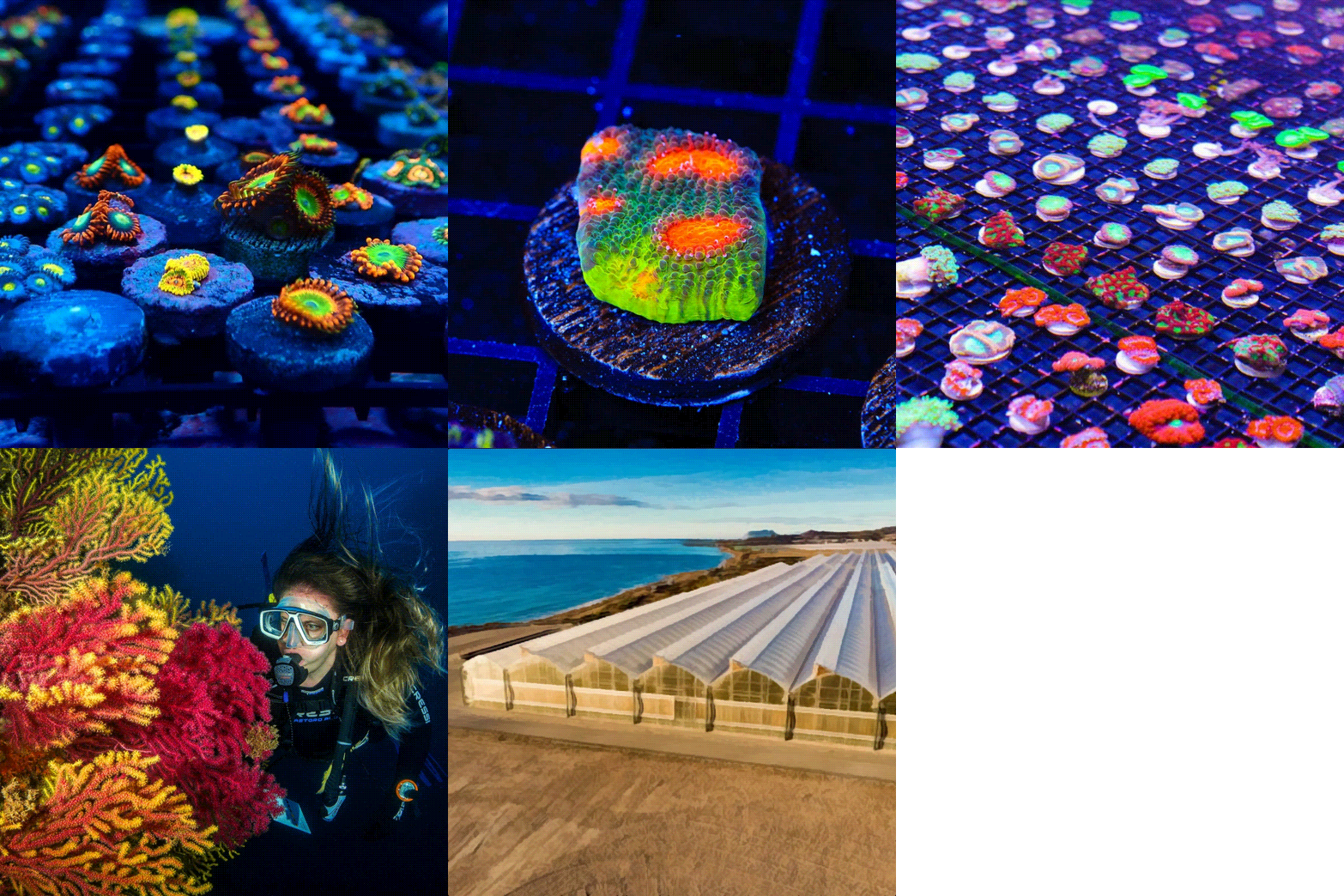
Coral reefs are surprisingly easy to restore. Corals natural reproductive cycle is a complex and long process. Just a few corals survive predation. We use a process known as fragmentation, to repopulate reefs, this removes predation, as well as the egg (gamete) fertilization, and larval (Planulae) stages. Millions of new corals can be established in a year, from existing coral. Where as natural reproduction would only produce a few corals.



Shipwreck coral reefs
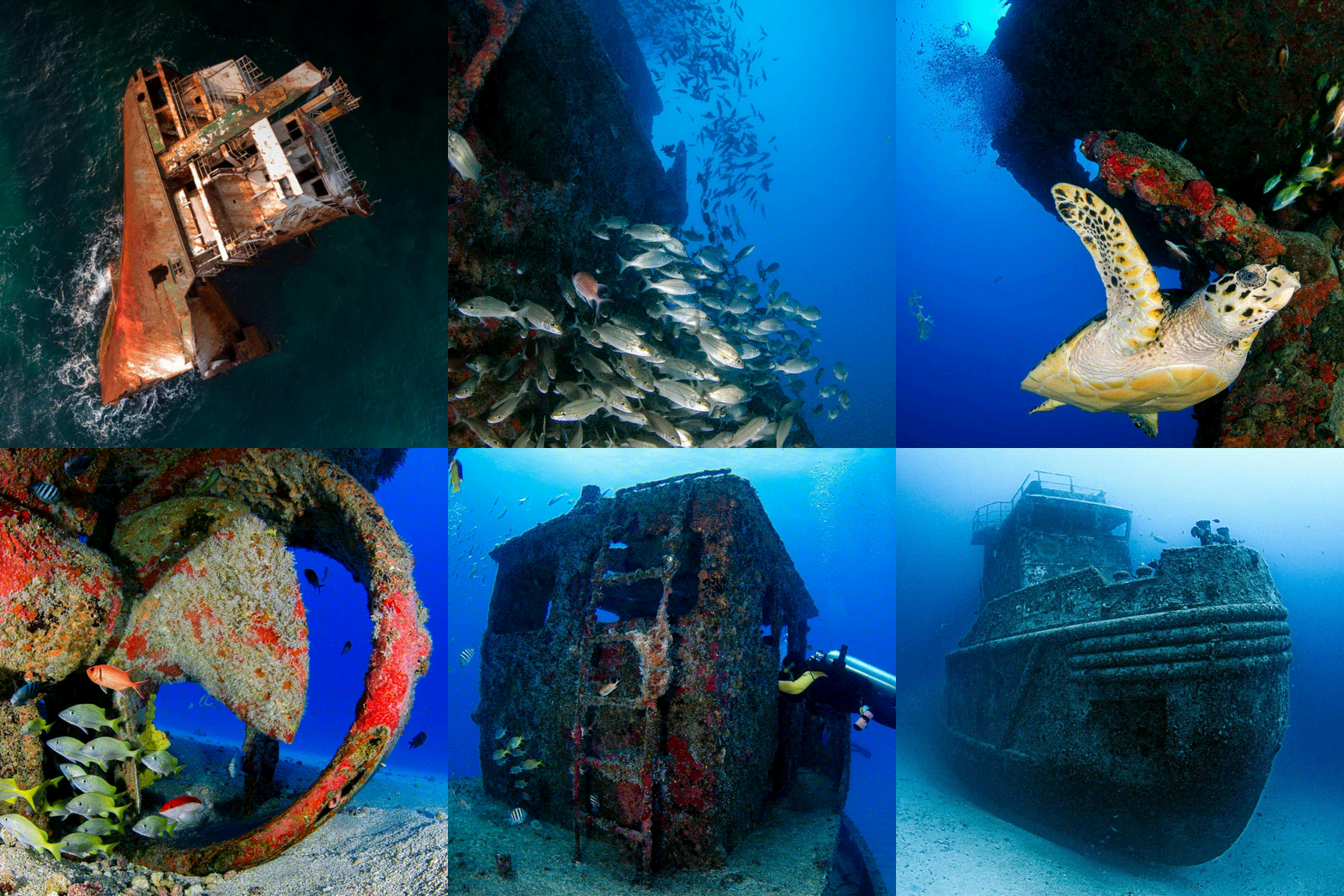
Shipwreck reefs are one of the fastest ways to encourage larger fish to inhabit a reef. We use non toxic decommissioned tug boats, cargo and transport vessels. The vessels are prepared by cleaning or removing the fuel tanks along with any oil filled machinery that may be hazardous to marine life. We also remove any metals that are harmful to marine life like copper or aluminum. All doors and hatch covers are also removed to make the structure safe for sport divers.
Boulder coral reefs
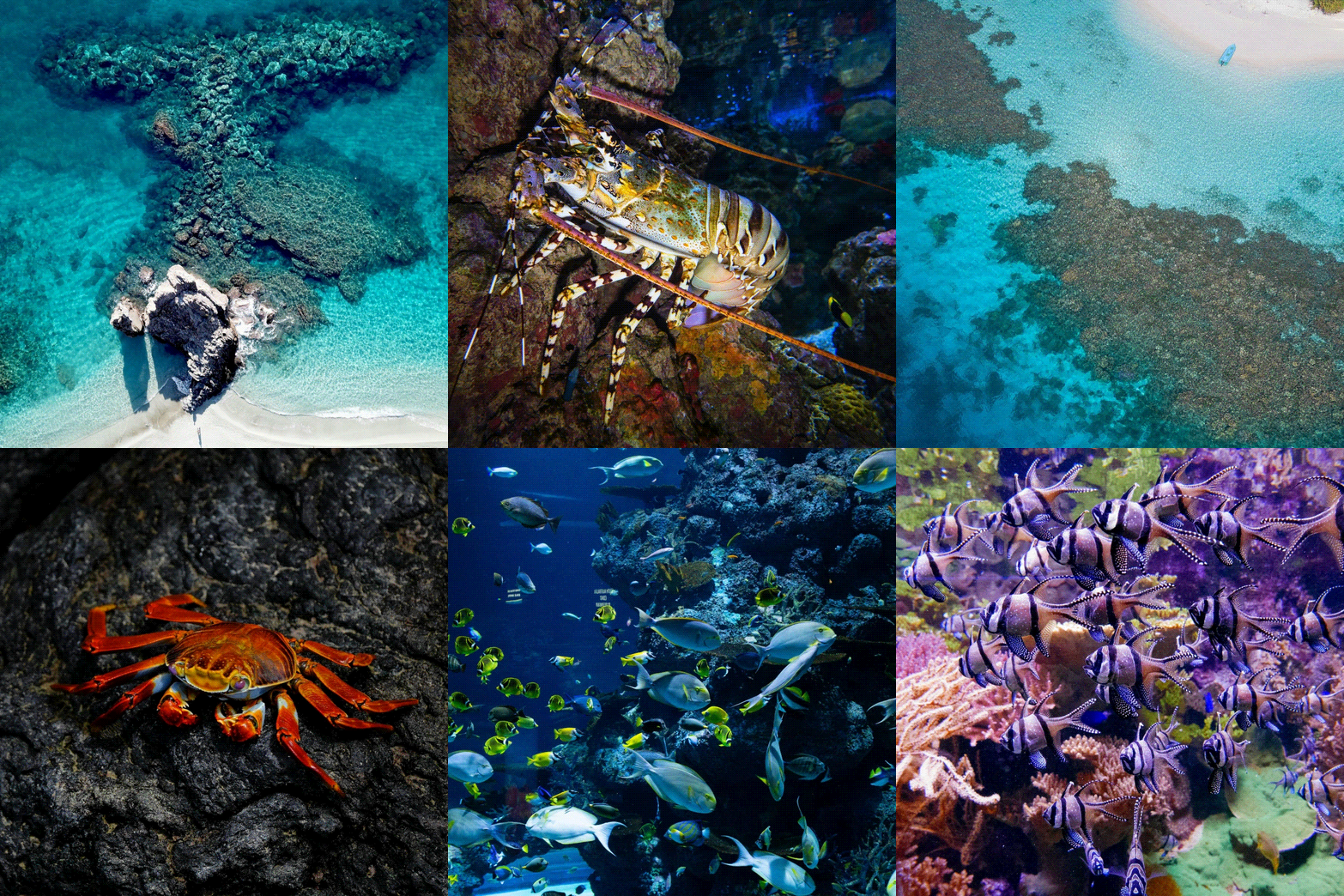
Natural and eternal, boulder reefs are quickly colonized by marine life. By stacking eight ton boulders, tunnels, openings and crevices, are created, perfect for large and small aquatic life, to nest breed shelter and sleep inside. The rugged surface is ideal for plants, shellfish and coral. Eight ton boulders 4x4x6 ft in size, are also perfect, for locations susceptible to extreme weather events. Boulder reefs require no manufacturing, and can transform kilometers of barren coastal waters into a thriving ecosystem.
Natural coral reefs
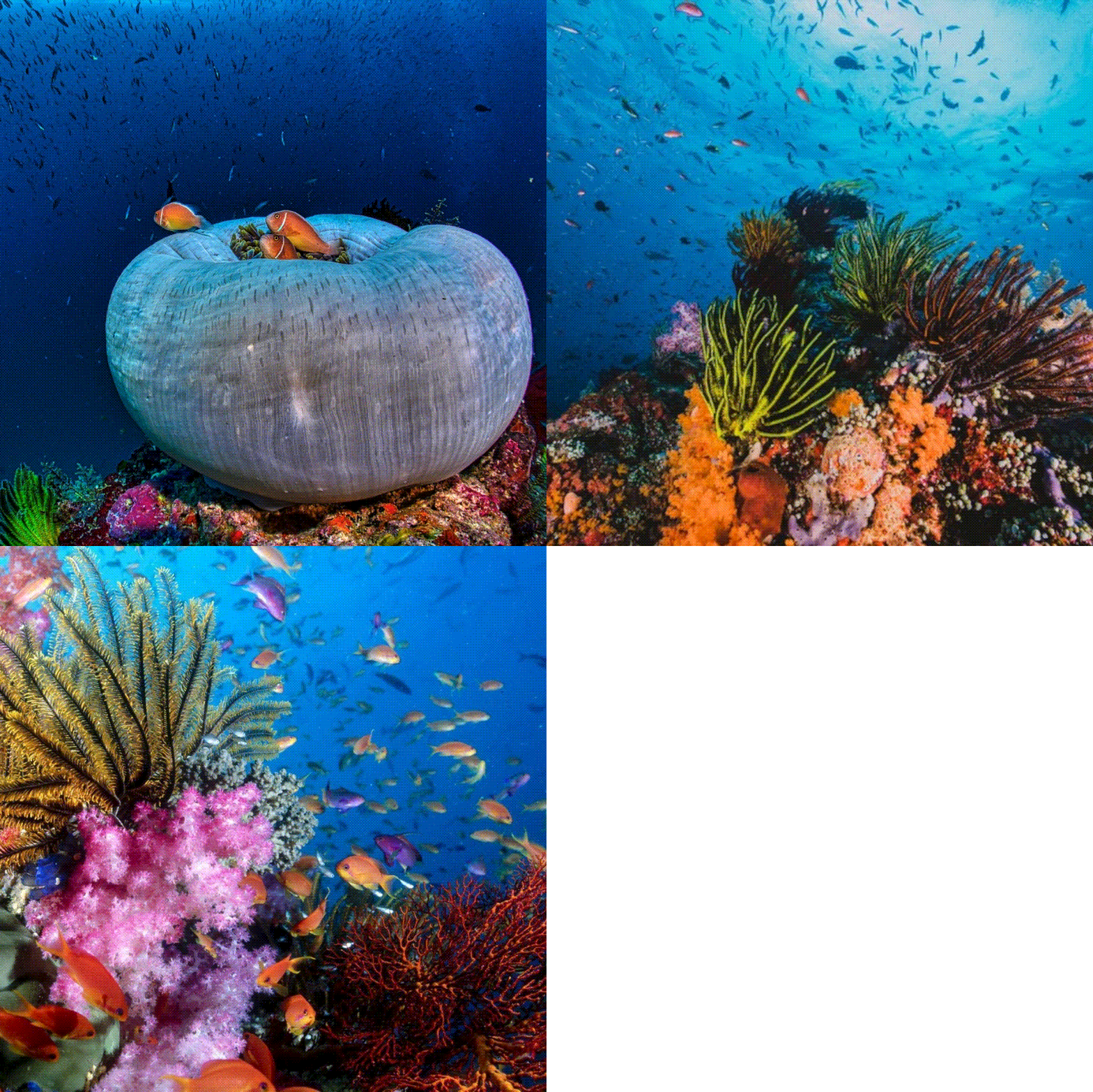
Natural reefs can be dramatically improved, using our fragmenting process, Improving biodiversity, quantity of marine life and ascetic beauty. Healthy vibrant reefs also promote eco tourism and help create empathy for the marine environment. Reefs with an abundance of coral are more likely to withstand change over time, keeping the reef populated, and able to cope with environmental changes.
Cement artificial reefs
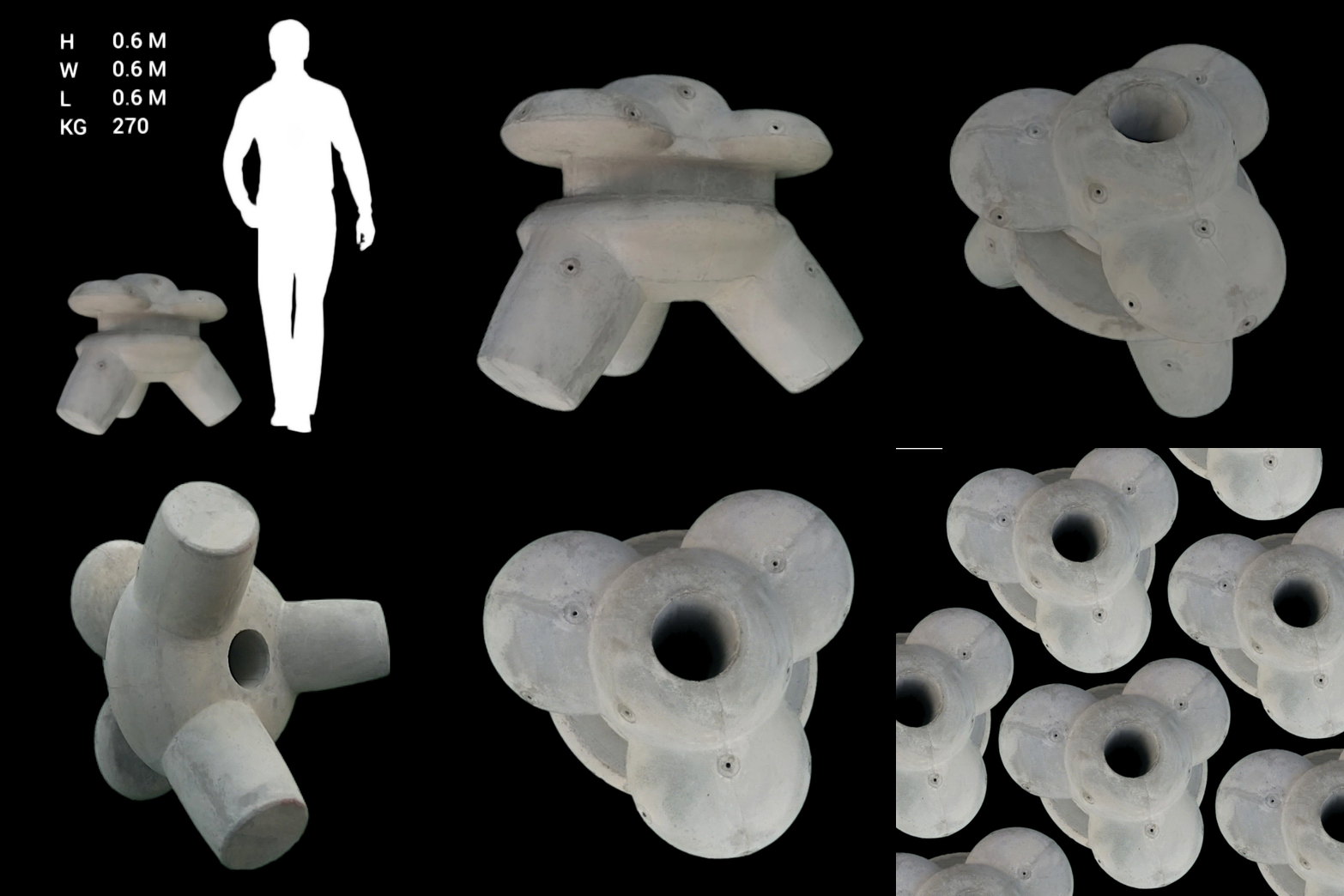
Specially designed for rubblized reefs. The design of our units, traps rolling dead coral, converting rolling debris, into a stable matrix and habitat for marine life. Transforming a hazard to marine life, into a valuable resource. An ultra low footprint tripod design, preserves the existing ecosystem, our reef units create bio mimicking apertures between the units structures, making them stronger than other designs with holes inside their structure, holes that reduce the life span, of perforated dome designs.
Climate change protection
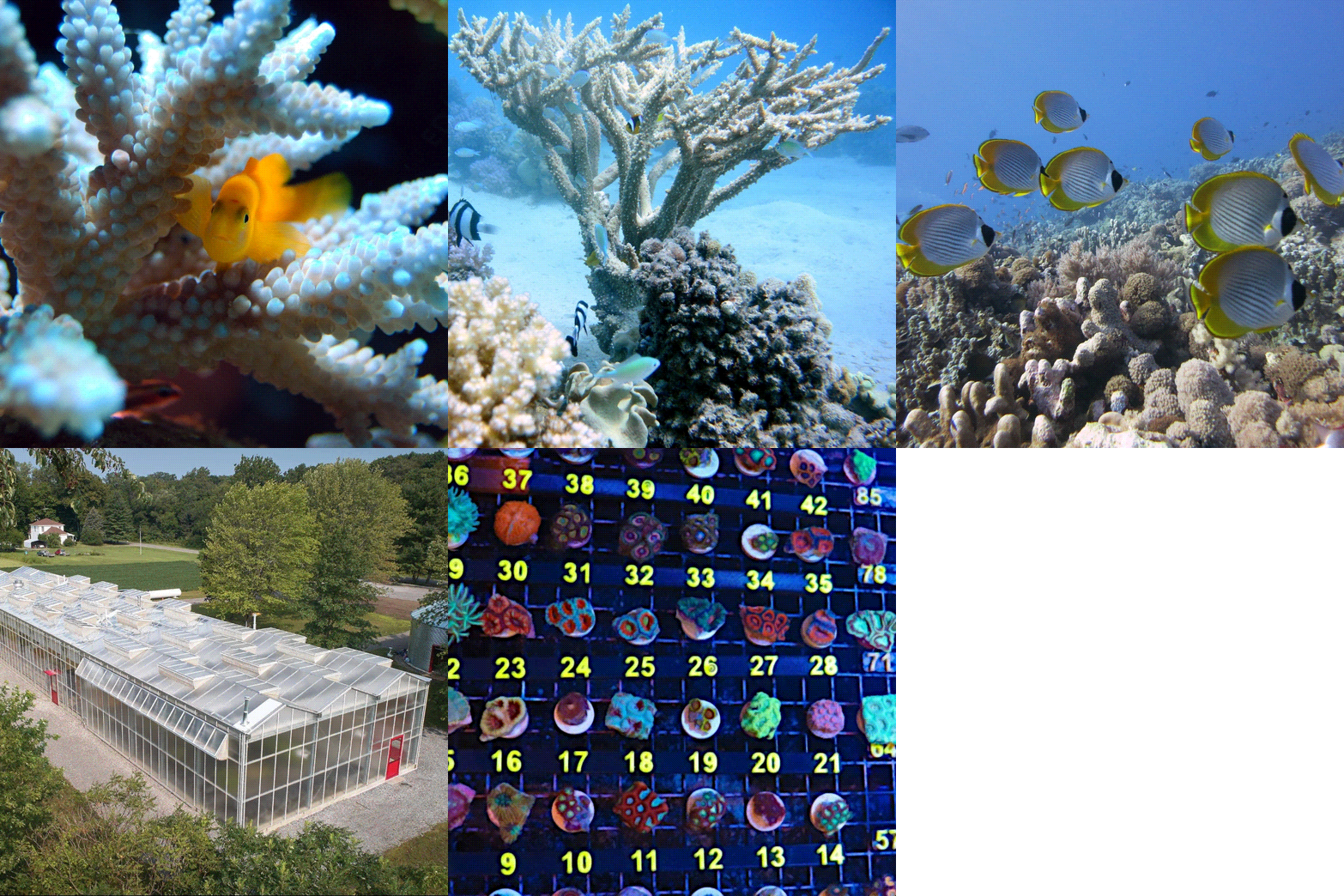
Corals are sensitive to temperature change, global warming has been responsible for large reefs dyeing off. Temperature shock causes reefs to rapidly bleach, becoming white and lifeless in days. Recently a process known as assisted evolution, has been developed to protect coral from the seas rising temperatures. By repeatedly slightly rising and lowering the ambient temperature under laboratory conditions, we can strengthen coral against temperature change. Fragments can then be used to populate reefs.
Coral propagation

We use two methods of coral propagation. The first is in land based facilities, where small coral fragments are kept in raceways until they double in size. The fragments are then divided into two parts, one is planted back on the reef. The second method, is to collect coral branches, fragment them and then plant the coral fragments directly back on the reef. After the fragments grow the process is repeated, exponentially repopulating the existing coral stock.
Coral farms
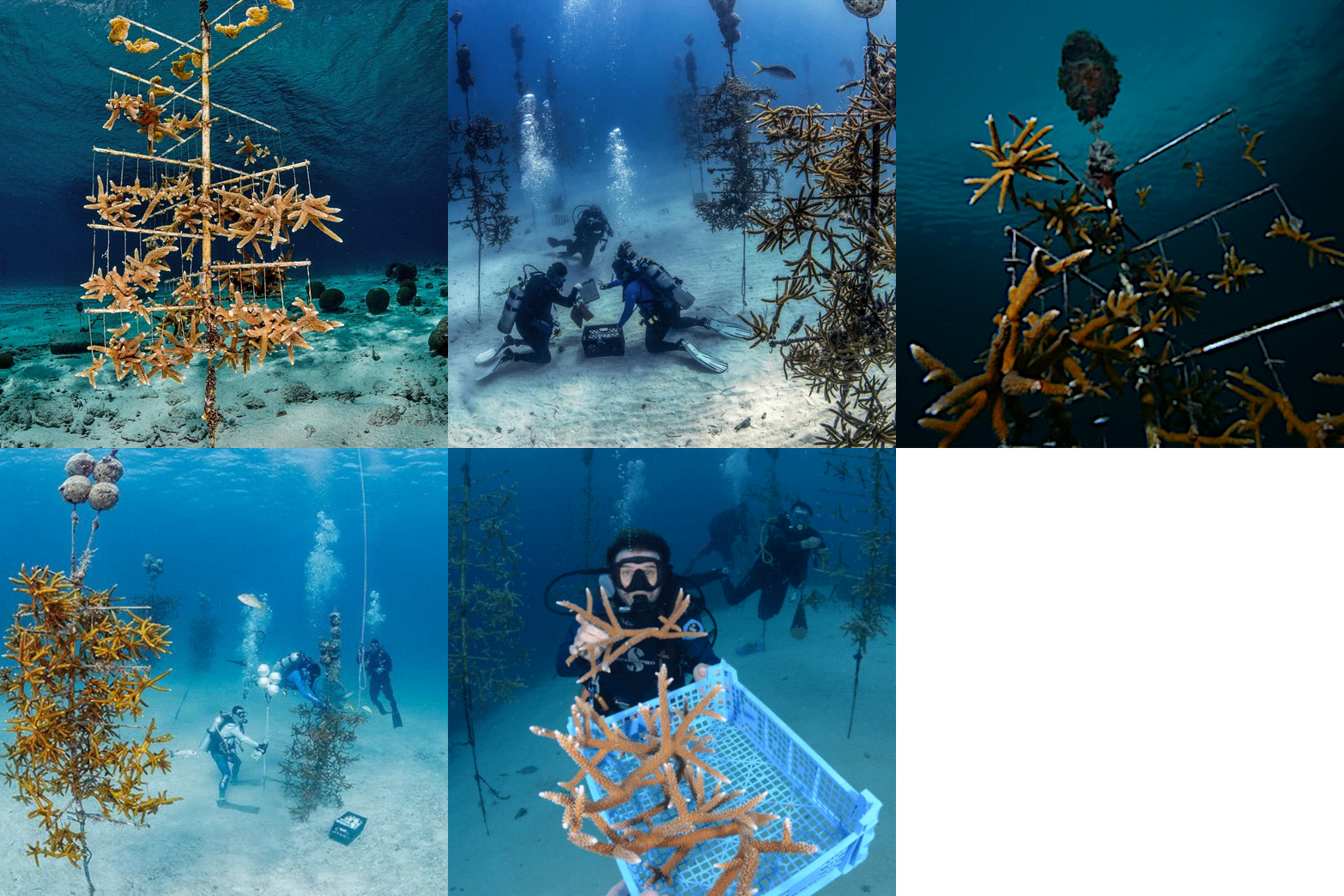
Where coral is sparse we use coral farming to improve the reef stock. We use large metal underwater structures called coral trees, to grow coral from fragments, to maturity, then we harvest the farmed coral, and fragment it, hundreds of corals can be produced from one parent. We plant the fragments back on the reef and let the parent coral regrow again. This process is used if the reef has been damaged to the point, that little or almost no coral is present.
Fish breeding habitats
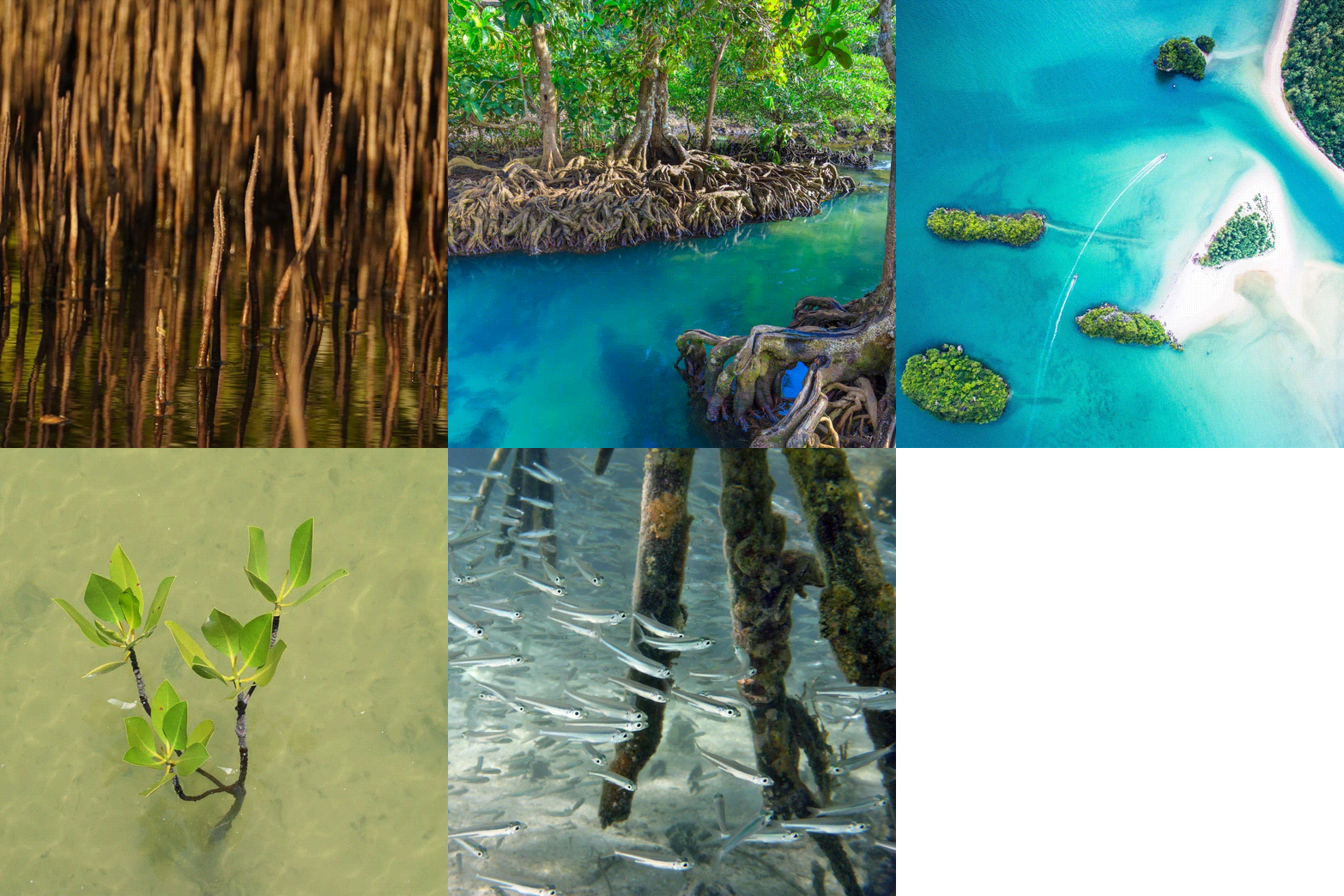
We use mangrove cuttings to establish coastal mangrove forests, natural habitats for fry, to shelter feed and mature in. Mangrove root structures have traditionally been the most favored habitats for reef fish and other marine life to develop in, before returning to the reef. The shade shelter and large amounts of macroscopic food make the perfect habitat. Mangroves are permanent. As sea water has all the micro nutrients plants need, salt resistant mangroves quickly grow into thick forests.
Coral reef consulting

Consulting services. Many goodwill projects have had a detrimental effect on the ecosystems, that were intended to be protected, and rehabilitated. Experience and expertise are the key to a successful outcome. Contact us for a free consultation and introduction, we can determine the best course of action for your reef.
Join us
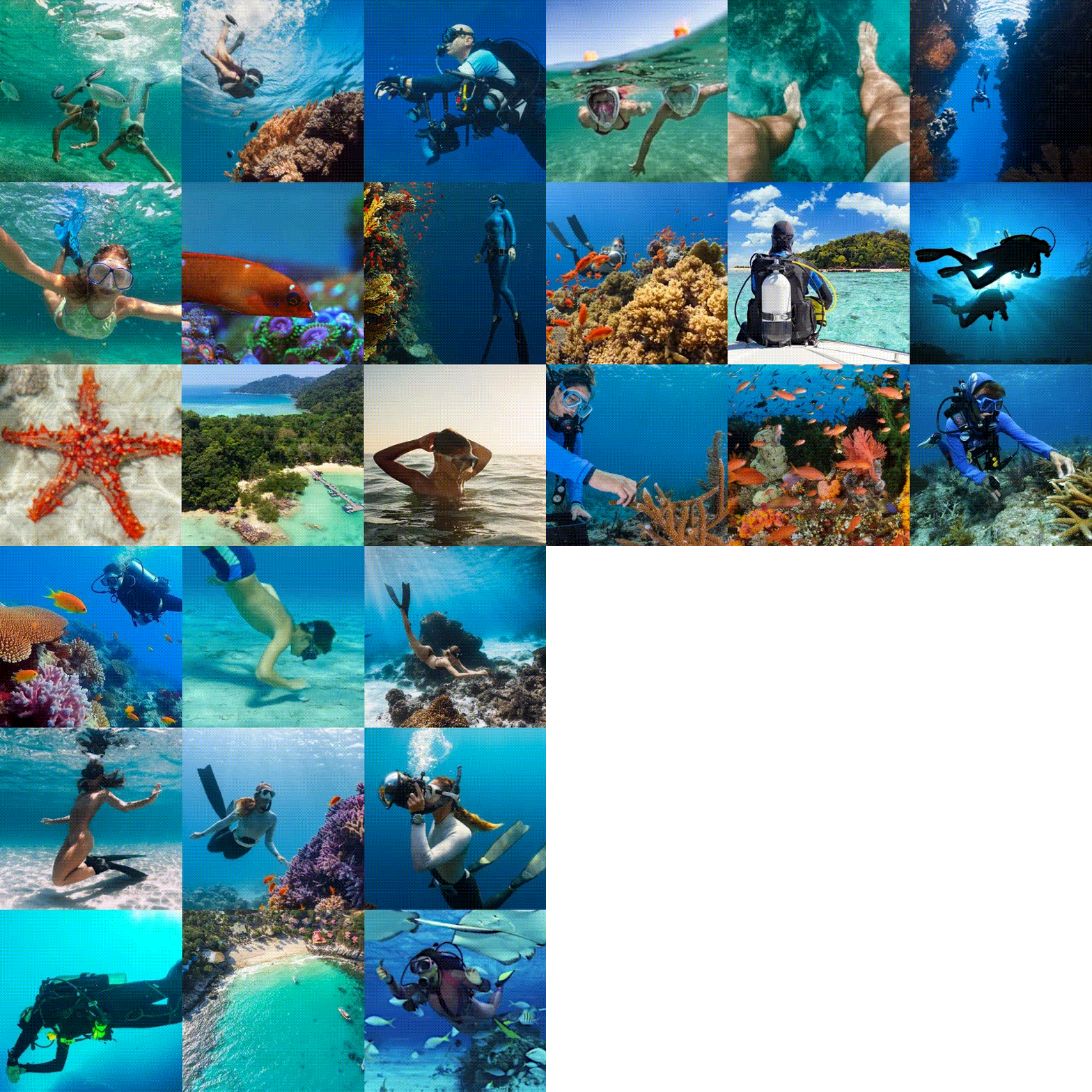
Join our trained global coral planters by taking our free coral planting course. Plant coral the next time you visit the reef. Planting coral with a one hundred percent success rate is easy with a simple proven process. Small scale coral planting requires no expense and contributes to the reef. If you are a certified diver, become a full time coral planter and paid staff member.
Read more

Coral is easy to propagate, you can plant coral and look after your local reefs, without any expensive equipment. You will need. A glove for the hand holding the coral fragment, and a snorkeling mask. First find a broken coral fragment on the reef or beach at low tide. If the coral is still alive it will have some colored patches. Take the fragment and secure it between two large rocks on the sea bed five meters deep or deeper, if you are not a strong swimmer three meters deep is acceptable, make sure the coral can see the sun and is not in shade. Now the coral fragment is secure, and not moving it can use sunlight and start feeding, it will quickly attach to the rocks and grow into a full sized coral. Handel coral lightly and use a glove always, some coral is sharp and can sting or cut unprotected skin. Coral fragments can also be taken from mature corals, join our coral planting program to learn how to use bonding materials, and how to work efficiently underwater. its free, and you can see the results of your coral gardens growing, and your reef improving in just a few months. If you are qualified with BSAC, PADI, SSI, SAA or another agency, you can join our paid staff and plant coral professionally.
Your message has been sent

About us
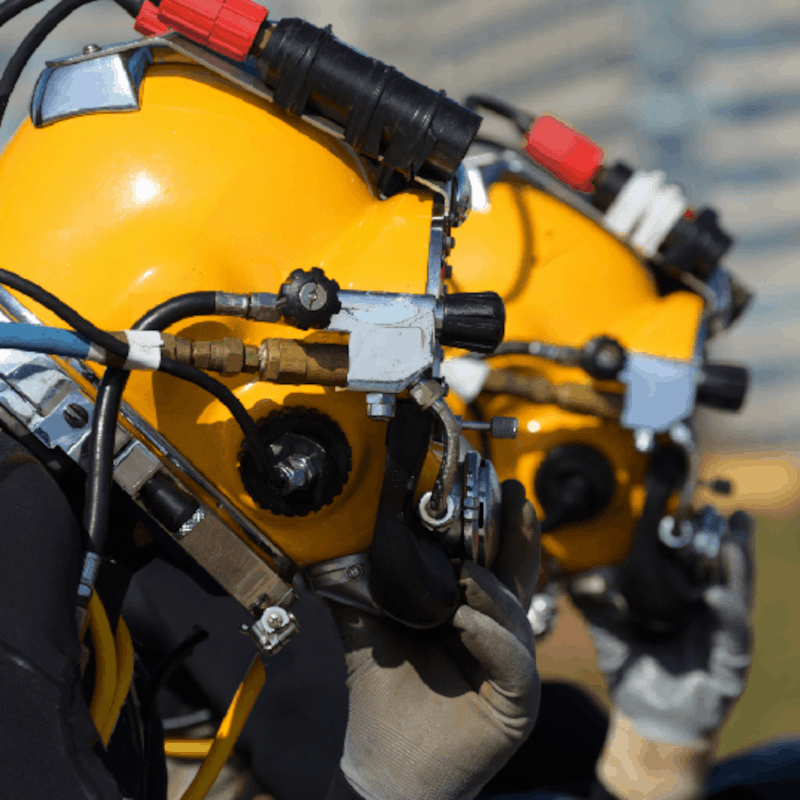
With over three decades of experience, a global reach and a large network of specialist collaborators, including, marine biologists marine construction, geologists, chemists, material scientists, engineers and meteorologists, Holland and Witland are well appointed and dedicated marine conservationists. We fund restoration projects and research, we also offer coral reef restoration services, consulting and free coral planting courses.
Contact us
Your message has been sent

 Holland & Witland